Design Mind frogcast Ep.61 – The New Lines of Luxury
What does luxury really mean in a world that’s constantly redefining itself? In this episode, frog Managing Director Gagandeep Gadri sits down with Anne-Laure Colcy, Global Head of Luxury at frog, to unpack the findings from frog’s latest research: a deep dive into the minds of more than 5,000 high-net-worth and ultra-high-net-worth individuals worldwide. Then, frog VP Caroline Le Bars sits down with Agnès Roquefort, Global Chief Development Officer, Luxury & Lifestyle at Accor to explore what these trends mean for hospitality, from branded residences to the reimagined Orient Express. It’s a rich look at where luxury is headed next.
Listen to the podcast episode below. You can also find the Design Mind frogcast on Apple Podcasts, Spotify and anywhere you listen to podcasts.
Episode Transcript:
Design Mind frogcast
Episode 61: The New Lines of Luxury
Guests: Agnès Roquefort, Chief Development Officer, Luxury & Lifestyle, Accor; Gagandeep Gadri, Managing Director, frog; Anne-Laure Colcy, Global Head of Luxury, frog; Caroline Le Bars, Vice President, frog
[00:00:03] Elizabeth Wood: Welcome to the Design Mind frogcast. Each episode, we go behind the scenes to meet the people designing what’s next in the world of products, services and experiences, both here at frog and far, far outside the pond. I’m Elizabeth Wood.
Today on our show, we’re exploring what luxury really means in a world that’s constantly redefining it. You’re going to hear a conversation hosted by Gagandeep Gadri, the Managing Director of frog, with three guests: Agnès Roquefort, Chief Development Officer for Luxury & Lifestyle at Accor, Anne-Laure Colcy, Global Head of Luxury at frog and Caroline Le Bars, Vice President at frog.
For our panelists, luxury today is less about status and more about substance; what feels considered, what feels rare and how brands build trust through experience rather than excess. Their new report, The New Lines of Luxury, unpacks these shifts across the sector, with a special focus on hospitality and what Agnès is seeing firsthand at Accor. You can find a link to the full report and more in our show notes.
But first, let’s jump in.
[00:01:43] Gagandeep Gadri: Welcome everyone and thank you so much for joining. My name is Gagandeep Gadri. I am the Managing Director of frog, part of Capgemini Invent.
At frog, we work with our clients to do two things:
One is reinventing the future; how to unleash growth through new products, services and experiences.
Second, how to deliver that growth by creating the best customer experience with real focus on the customer.
And that’s what we did last year. Last year we really went deep into the luxury customer, where we spoke to thousands of high-net-worth individuals to understand what they buy, why and what they’re looking for. With the world changing so quickly, technology — Agentic AI — is just making so many changes. We decided to go back to that research and talk to those consumers again, finding out what they are looking for, not only in what they buy, but also what they expect in 2030.
And so, today, we’re going to be sharing with you the latest findings from that research. The key thing that came out was very much around: it’s not about technology and emotion, but how do we deliver even more immersive, better experiences that showcase the emotion, leveraging technology.
I’m super pleased to have Anne-Laure join me today. She heads the luxury platform at frog. Anne-Laure, tell us a little bit more about the research we did and what everyone can look forward to.
[00:03:41] Anne-Laure Colcy: Good afternoon and thank you for joining. I will begin with the incredible size of our panel this year. We have been able to be in interaction with more than 5000 individuals — from high-net-worth to ultra-high-net-worth individuals.
The New Lines of Luxury is the brand of our report, but this year we have spotted five new lines. The first one is called The Revenge of Retail and we will dive deep in one minute on it. The second one, The Elevation of Luxury. Then a very specific one, a bit fun, because this is a comeback to the original promise of luxury, we call this trend Enduring Value, not the lasting value of luxury products or experiences. Beauty shifts — beauty changes so quickly. And finally, going a bit deeper into 2030 and beyond, a more prospective trend around Lifespan, Robotics and New Frontiers.
Gagandeep, can you tell us a few words about the Revenge of Retail?
[00:07:34] Gagandeep Gadri: Yeah, let’s dive straight into here. So, the Revenge of Retail, you know, the last 20 years or so, there’s been a huge amount of spending in digital apps, websites, digital commerce; the store and the physical space have been a little bit forgotten about. But now, we want to return to that. That’s what this is about. It’s the Revenge of Retail, returning to the physical space but not just as it was before. It’s got to be in the new way, as an innovation lab, as something where the real feeling of the brand, the essence of the brand, can be seen. When we look at these boutiques or these physical spaces, it’s all physical touchpoints, so it could be full boutique, it could be the dealership, could be the lobby of a hotel, could be where a private wealth banking meeting happens. These are all areas that are out there to get this new physical experience.
But what consumers want is when they go to these places, they want to have a different experience, because what they can do through digital and their apps, they don’t want to be able to do when they get into the physical space. They want something different. They want you to stimulate them. They want to have an experience. They want to get closer to the brand. But really importantly, they don’t want the same experience from every touchpoint that they go to.
For example, in a five-star hotel in Paris and then one in London, they expect some similarity, but what they’re also looking for is the differences — the local nuances to come into that space as well because why else would they want to keep on going to these spaces if they don’t get that.
When we talk about innovation and technology, it’s not about having more screens and more digital stuff. It’s about really using it to help bring the emotion across in a seamless way, make the experience better, more interesting for the consumers as well. So, how do we leverage physical AI, but in a really seamless way to help the consumer and to help the people working in those boutiques do their job better?
So, as a brand, how do you activate this and I think there are three things that we look at:
The first one is reimagining the beauty boutique as a stage. This is really important. It’s about a performance; it’s about a moment to Make Your Mark. How do you do that? How do you get the core of the brand to resonate in this physical space and create a really really exciting moment?
The second is yes, embed AI, but as a seamless, effortless part of the overall journey and experience.
The final part here is, how can we use it as a hub, bringing people together, not just at the start of a transaction, not at the end of a transaction, maybe when something goes wrong, but ongoing to really create a community and really build loyalty.
So, I think these are three things that will help those maisons really reconnect into a physical space. Anne-Laure, tell us about the next thing we found out.
[00:10:36] Anne-Laure Colcy: Yeah, we’ll talk about now the Elevation of Luxury and you just mentioned Gagandeep, the fact that someone you know traveling from the UK to France, for example, can stay in the same hotel in terms of brand, not the same place and want the same standard, the expectation of experiences, but not exactly the same experience to be sure that it feels something different, emotionally speaking, in London and in Paris, for example, this is where the elevation of luxury happened, because this is deeply rooted to emotion, expectation of self-enhancement and development and this trend explained that from only, you know , a transactional relationship between brands and customer, we have now to develop what we call the transformative luxury. Luxury becomes a vehicle for who people aspire to become. Tell me what you spend and I will tell you who you are, it’s really close to the identity of people. For example, 36% of our panel want a real cultural or spiritual dimension in their luxury consumption and 81% — this is a huge number — are seeking freedom in their luxury consumption. You know, a few years ago, talking with metaphysical words about luxury, we earned a lot. Luxury is time, ultimate luxury is space, it’s love. Now it’s really freedom, self-development. So, there is really a huge trend within this elevation of luxury.
If we go further, elevated luxury also means that as a customer you want to have the opportunity to be in relation with luxury anytime, anywhere and any way. For example, 79% of our panel is asking for on-demand luxury that it can access anywhere and everywhere. This is quite new. Remember, a lot of maisons made some kind of pushback about having a 24/7 expectation in relation with their client. But the clients are asking for it, not in replacement to their personal advisor but in addition to them. Another key figure is that 55% of the panel is expecting for hyper personalized conciergerie and not only in hospitality. Really, for every brand, for a wealth management company to an automotive retailer, they want to have this opportunity to engage conversation really on demand with extra and personalized services.
How to activate it? We have to move from transaction to transformation and understand what does it mean in terms of customer journey. Secondly, deliver on-demand experiences. This is not only words, it means that for sure you have to prepare really consistent technological assets and background to be sure that you can operate it properly and finally you have to open up to sales development spaces, new frontier and real business development to offer new possibility to your clients. We’ll talk now about the Enduring Value and come back to the original premise of luxury.
[00:14:28] Gagandeep Gadri: Yeah, this one is really important. How do you connect back to the heritage of the brand, right? The real craft, the trust, the timelessness of that brand you have. You know, some clients have been questioning prices have been going up for luxury brands and the real answer here is for brands to connect back to the real purpose, that real heritage of the brand. The first thing that we really see here is that, you know it’s an investment. 77% of our consumers we spoke to said luxury is an investment and that’s a really big number and they have a massive expectation that it’s actually going to retain or grow in value. That’s their perception of what they think they’re getting into. It’s not a niche collector mindset, you can see it’s across all geographies. India and Japan had the highest expectation, while China had the lowest one in this area.
The wealthier the respondent, the higher the expectation they had. So, this is really important about the ongoing value of that product. Now, we see a massive opportunity actually. This opportunity is in the ongoing relationship you can have — the ongoing sales care, the ongoing connection you can make with the brand. So, how can you extend the life of the product? Maybe there’s some more aftercare services, there’s more some add-on products, there’s about the digital traceability of it, get more information, a digital footprint of the product. This is super important and valuable when you’re going to hand the product over as well. And the product continues its life that you’ve got this traceability, you’ve got access to all of this other information.
So, how do you activate this enduring value? Take care at the core of the of the product strategy. I think this is super important. Not just the product itself, but the extra things around it that we can put to give that consumer a longer, better experience.
The second bit is really building that trust through transparency. So, how through maybe a digital footprint, more digital information, digital asset, you can give more information, traceability around the project. When sustainability is a growing topic, you know, that’s going to become more and more important for clients to see.
But the final one is really key here. It’s to embrace circularity. What we’re seeing is so many different marketplaces coming up where people are reselling their luxury product. But if in that second purchase and the third purchase it’s the enduring value that is really important. As a brand, you need to own that, you should own and embrace circularity, so that when these products get resold, the value of those products, the story of that product, that belongs to you.
I was actually recently in Italy, in Bologna and I went to the Pagani garage and there, when you buy a car, they can’t resell it. You have to resell it back to Pagani so they can own that story, own the value of the product. And I think that is super important for them in the value of their brand in order to go forward and maybe something to learn on. Anne-Laure, why don’t you tell us about the fourth line.
[00:17:41] Anne-Laure Colcy: The fourth line is the Beauty Shift and it makes me feel listening to you that now the luxury consumer is really mature, you know, worldwide. New expectations are also driven by the fact that this is not a new kind of consumption, especially for the high-net-worths and the ultra-high-net-worths. And it’s true also, regarding beauty, that is probably the segment that is still growing but shifting the most. The fun fact, before deep diving into this beauty shift, is that we had a lot of quotes, a lot of verbatim from the individuals in our panel and regarding beauty, we obtain a lot of quotes from men.
So, first of all, beauty is not a woman topic, not at all.
Secondly, the shift, if I have to summarize it, is we came from a world of eternal youth as the ultimate beauty to timeless wellness, lasting vitality and this is the new beauty from Gen Z to boomers.
If we go further, we ask a simple question, what’s your definition of beauty? Just score it, you know and we have seen that this is really an holistic vision of beauty.
The first definition for our panel is body-mind alignment. Then there is longevity, then self-expression, even before aesthetic standards. The eternal youth, you know, produce aspect. Then else, else is part of beauty, natural authenticity and finally performance and optimization and we will come back on this one. It could seem a little bit low, but it means a lot in terms of signals. So, once again, a holistic vision of beauty.
Then, if we deep dive a little bit, we’ll see that innovation, science-led, you know, scientific proof is now a key point in beauty. For sure, sustainability is absolutely key and it’s something that customers are still waiting for when they buy luxury products or experiences for beauty. But it’s something that is now for sure secure in their mind. They want something new, they want a science-led innovation proof, because beauty now is almost, you know, in competition with medical treatment or other option that could really improve your physical appearance.
59% of our panel is asking for this bio-optimization and proof of performance. So, it is a strong signal. If we go further, how can the maison craft the future within this new era with this new beauty shift? First of all, as I said, we have to redefine beauty as a holistic essence, not focus anymore on anti-aging, you know, a thing like that, but to really speak to your client, to your customer, about what is beauty for them. Then make beauty science-led. In your storytelling, you have to explain what you do and how your experiences, services, or products are making some effects or benefits on your customer. And finally, honour, authenticity, identity, self-development, if we come back on the elevation of luxury over enhancement. For our last part, I think that we will travel in the future.
[00:21:35] Gagandeep Gadri: Yeah, remember, I said at the beginning we were going to have a look at what does 2030 look like. And for this one, what we’re going to do is actually try and expand our minds, think of it in a different way, explore what the future could be for your brand or for your product. And there are three different ways we’re going to look at this.
The first one is exploring new territories, so with this one, I’m going to give an example of hospitality and travel, okay? People are looking for more extreme things to do — maybe it’s deep sea travel or going to polar expeditions, climbing the Himalayas, but actually very soon it’s going to be space tourism as well. Now, what is super interesting is it’s not just about that experience, but building on what you just spoke about, Anne-Laure, how does that experience make me a better person? How does it improve my health? Maybe it improves my feelings about myself, the way I’m thinking. It’s got to be connected to improving yourself as well.
The second area is again building on the trend that you spoke about, how can you connect your brand or your product to a better life? Better life for me and whatever that means, if it’s more physical resilience, more personalized wellness plans, in what I’m, what I’m being able to do, really connecting it to that beauty shift to extend, connect the product to a better person and a better life that I can have.
And the third area is much more around connecting it to robotics and what we’re seeing is affluent clients are really warming to robotics, but it’s really about how humans and robots work better together. We’re seeing in some geographies, like Japan and China, there’s a stronger confidence to be able to do that, rather than in Western markets, but the real key here is these new frontiers or new uses feel really human, feel really personal, feel very close to the brand and not something futuristic. I think this is really really important.
So, how do you activate this into into the world? The first is really to think about how you can extend those territories of your brand. What does that mean logical for you? How do you explore it? Maybe some partnerships with some frontier tech organizations. Immersive storytelling could be something else you look at. How do you invest in extending the lifespan of your product and in a real way to personal well-being as well, really connecting the fourth and this topic together, I think, is super important. And finally, approach robotics carefully, but with cultural reference as well. Different geographies will appeal it in different ways, but how do you make it something seamless and something very human as well?
Now, when I look across all of these five trends that we’ve spoken about, there’s something that’s really interesting that’s connecting all of these together. And it’s the way the consumer is being very fluid, you know, a different, the same consumer in a different moment, a different context, for a different brand can have a different feeling, a different expectation of what they want and we call this Liquid Consumerism. And in order for brands to be able to respond to that, brands need to be agile, you need to be able to adapt to them, need to be really able to see them, who they are. So, me as a professional person, me as a husband, me as a father, in this, how do you communicate and how do you operate with this? I think this is a really key trend across all of these, not to forget that focus on the consumer.
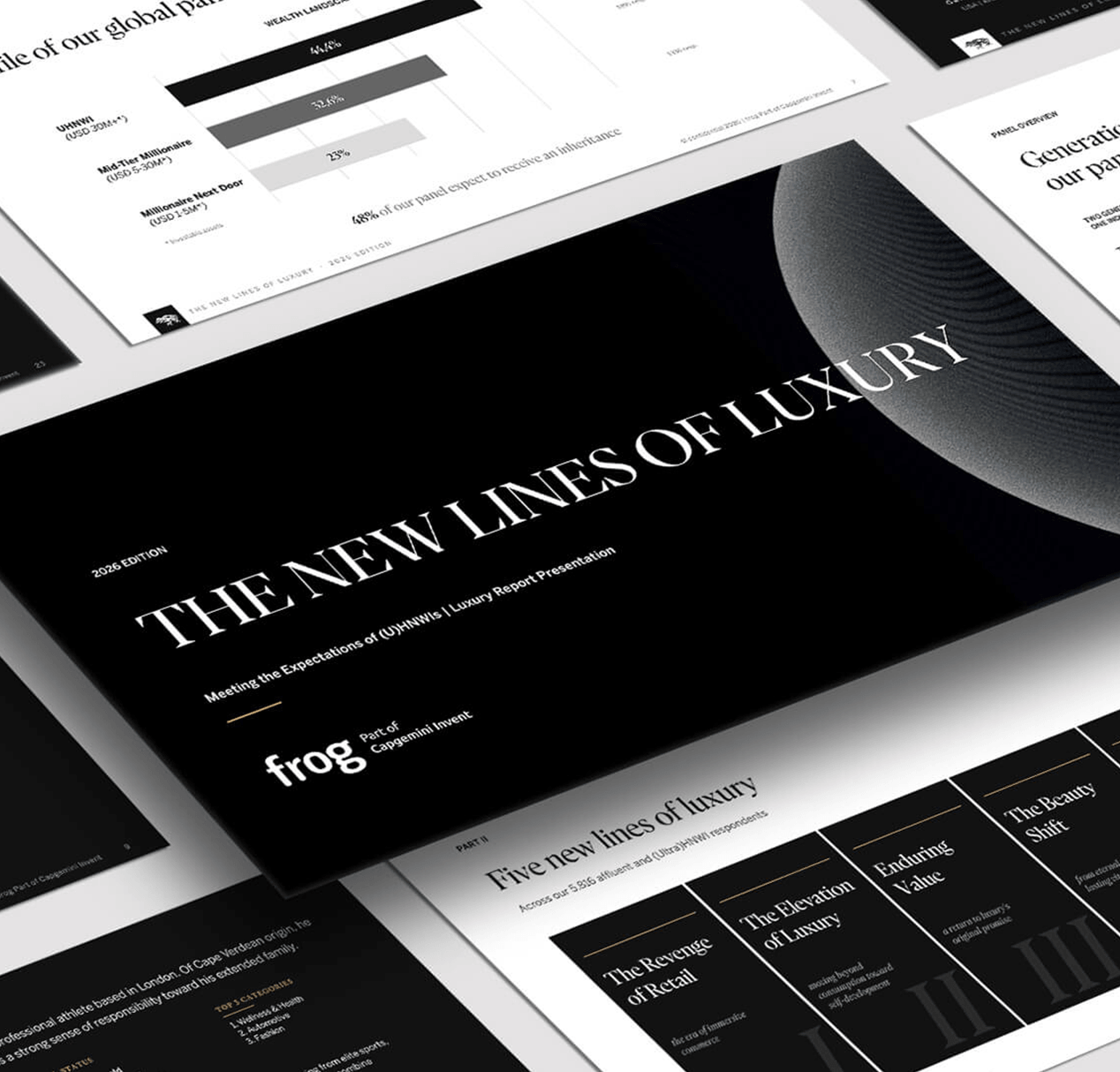

[00:25:08] Gagandeep Gadri: What we’re now going to do is have a look at the report. We’ve given you the insights, but we’re now going to look at it from a different perspective. We’re going to have a reality check, we’re going to look and speak to some of our clients and see what they think about this report. I’m really pleased now to be joined by one of my dear colleagues and friends, a real leader when it comes to frog around luxury and the work we do with our clients to really delve into this from an external perspective. Caroline, welcome.
[00:25:39] Caroline Le Bars: Merci beaucoup. Hello Gagandeep, I’m very pleased to be with you today and I’m very delighted to welcome Agnes Roquefort from Accor Group, who will bring her perspective on these luxury key trends we have shared with everyone and help us understand how Accor will play with these trends. So, Agnes, maybe my first question is, could you please, please briefly introduce your role and your position and your scope within Accor.
[00:26:19] Agnès Roquefort: Thanks Caroline, thanks Anne-Laure and Gagandeep for having me today to translate these new lines of luxury to the tourism and hospitality sector. Thanks very much. I’m Agnes Roquefort, global chief development officer for the luxury and lifestyle brands of Accor and with my global team, really located across the globe, we are in charge of signing and opening one hotel per week for the luxury and lifestyle brands, namely Fermont, Sophie Tel, Raffles, Delano, Mama Shelter, all these brands with a big component on experience.
[00:27:02] Caroline Le Bars: Great. Maybe to start with one of the trends we shared with Anne-Laure, the one that is called Elevation of Luxury. We see a strong shift from construction to self-development in luxury is the transformation visible in hospitality at Accor, or are you moving from offering a stay to enabling a transformative and meaningful experience to your guests?
[00:27:35] Agnès Roquefort: It’s a major trend for us and there’s been a major trend, probably for 10 years now and indeed our guests are asking more than a sleep, more than a stay, more than a good bed, they want much more and this is what we call experiential hospitality or augmented hospitality, 360 hospitality and so what does that mean concretely? It means that beyond the bed, beyond the stay, we will introduce very strong experiences as regards food and beverage, restaurants; the guests are asking a lot in terms of experiences in restaurants with very, let’s say, appealing concepts and very strong concept is not now extraordinary that we have hotels with a revenue that is going beyond 50% of the total revenue. So, it’s becoming more restaurants with some beds, with some rooms.
Wellbeing is a big component and we will come back on that, but it’s really again part of, let’s say, the experience and what we name experiential is hospitality.
We have, as well, many other experiences, even events. So, we have in the all-inclusive world, which was not so glamorous so far, but now all-inclusive results are really luxurious, strongly on luxury, with a lot of experiences around entertainment events and we have, as well, superstar, really rock star, that are touring the hotel to really entertain the guests and propose again exclusive events directly in the hotel.
And I need to give you, let’s say, some materialization of this major trend about elevation or luxury. One segment, which is absolutely booming for our luxury guest, is branded residence. Branded residence, what is that? American, Middle East, Asian, know pretty well, European a bit less. It’s really your apartment, your villa with let’s say homeowners that are buying not only an apartment and a villa and a home, but as well a brand able to deliver a great product, a great design and as well a fantastic hotel experience and it is what we call hotelization of the real estate. So, you really have your own home with your family, but as well with concierge, with valet parking, with the most fabulous gym really accessible from your home, with sometimes well-being directly, let’s say, in the home and in the building of your apartment, with restaurants, with a fantastic pool, with really a true concierge laundry service that you could find in a hotel. Even to welcome your friends and family, some theatre, some cinema from a movie room with really vanguard technology. So, this is really a new iteration of the evolution of luxury with high-net-worth individuals, ultra-net-worth individuals, more and more buying this kind of villa and apartment.
To give you a hint about the trend, so far there are 700 branded residents across the globe. The pipeline for the next three years is 700 so in 20 years we built 700 branded residents and for the next three to five years there will be this add-on on the market with again, yeah, luxury guests that are looking for, let’s say, mixing their daily lifestyle, their home with, let’s say, really high level of service. Giving you as well some perspective about the brands in hospitality that are going to this elevation of luxury. It is hot news at Accor with the launch of Orient Express sailing yachts and Orient Express at Accor is defined more than a hotel brand, like a travel brand. And what do we mean by that is we have a few hotels in Rome, in Venice for the first one. We have some trains on the railway in Italy and as well we have a major sailing yacht that I just started in Cannes in the Mediterranean area, which is crazy in terms of space and luxury elevation and as well, Orient Express was recently in a museum in the Musée des Arts Décoratifs in Paris, with the exhibition around the Art décor. And why I’m mentioning this brand it’s a good illustration of what, let’s say, elevation of luxury means and what the guests, the customers, are looking for in the museum, for example, they’re looking for, let’s say, nearly an emotional connection with the history of the brand, which is secular, born in 1883, so more than a century, they want to, let’s say, understand the craftsmanship and indeed, how it was like 100 years ago. They want to be, of course, connected as well with the different experiences.
And I would say the third point that we can experience with the elevation of luxury that you, you’ve mentioned, Gagandeep, is really with a transformative experience that is more and more incarnated with well-being and so again, taking the example of Orient Express, we will have a transatlantic way from Lisbon to Caribbeans of 14 days of wellbeing for the guests to reconnect with their body and with their mind. So, this is all of that and you know you can feel it very strongly focus on experience and it’s resonating a lot with our trends related to beauty shift as well.
[00:34:48] Caroline Le Bars: Thank you for sharing that. So maybe coming back to the next trends in namely, the one that you were mentioning, Gagandeep, related to enduring value. We know that luxury clients are increasingly focused on long-term value, durability, trust. How does this translate into hospitality? Do you see hospitality becoming an investment in lifestyle or well-being, rather than rather than just one-time experience we can offer in a hotel room, for instance.
[00:35:30] Agnès Roquefort: Yeah, it’s, it’s a very good question, because when we’re talking about enduring value, we associate that to an item and to luxury item, but it translates pretty well as well, to travel, to tourism. Because when you have this kind of very high-end luxury experiences, what the guests are looking for are, let’s say, stories that they can tell to their loved ones when they’re coming back home, but they want, as well, to create memories, long-lasting memories, that they will take with them for a long time, for their friends, for their family. So, this is where the enduring value is in this, let’s say long-lasting memories, memories forever and how do you create that?
The good news is that to create these memorable moments, these memories forever are very much focused on the human touch. Clearly, AI technology will help us to automate the ordinary, but we will have to further humanize the extraordinary. And the good thing is that we create magic, we create these emotions, these experiences, thanks to our staff. In your report, as well, you mentioned, you know, the personalized customized concierge, etc., indeed, it’s already very strong in our luxury and ultra luxury brands.
We have a butler at Raffles that is really aside the guests to create these exclusive events across the stay and to answer their needs that they didn’t think they would have this need during their stay, but to create this magic and this strong relationship with the guest. And the fun fact I was sharing with you just before this report and this interview is that you know that I had the chance to stay in a strong well-being and eco-friendly brand Chablis, a Mexican brand with a fantastic hotel in Yucatán and they’ve got a strong well-being component. But you know, I was not really aware of what was well-being at Chablis brand and the first part of the well-being experience starts with kind of an interview and one hour with a true shaman, una abuela, you know, and I was so impacted and moved with emotion and a bit transformed, I must say that I do not even remember the massage, after you know and it’s really when we’re talking about transformative experience, you know, memories that really last long, is typically this kind of experience where you have something that you could not imagine and that you’re taking with you back home and continuing to, let’s say, use every day in your life.
[00:38:38] Caroline Le Bars: Yeah, maybe our last trend, it’s about new frontiers, new territories of luxury and maybe we were wondering, looking ahead to maybe 2030 or maybe beyond, luxury clients are increasingly drawn to new frontier like extreme travels, new territories, even when we were mentioning in the report, space tourism and just wondering, what could be the next territories of luxury experience for a group like Accor?
[00:39:23] Agnès Roquefort: So there are many, but I would like to share not something that will happen in 20 years, but probably in two or three years is around the space and around the new frontiers and so you will be happy to know, Caroline, that we’re working on a very concrete project in Cape Canaveral with some people that would like to invest in the space, let’s say training, so the idea of that is to have a hotel with a space training area that allows, of course, astronauts as well as high-net-worth individual to train and to be ready to go to the space, but as well amateurs as yourself and myself, maybe, that want to have, let’s say, a bit of flavour of what would be, let’s say, a training for an astronaut like Thomas Pesquet. So you know, experiencing the dream that you can already experience, for example, in the sports with the tennis academy, like Mouratoglou, but just imagine that for the space in Cape Canaveral, or other places, and it’s not in 20 years, it’s really coming, probably in three, five years maximum.
[00:40:38] Caroline Le Bars: I think you will have a lot of guests that would like to come, because we have already. So, thank you so much, Agnes, for your time and for sharing with us your valuable insight on these trends and happy to see what’s with the next, new territories you were mentioning, it will be more than happy for us to be part of the new experience and testers.
[00:41:12] Gagandeep Gadri: We’ll be on the waiting for these trips. What a fantastic way to hear those stories and what’s happening. And yes, thank you so much for sharing that. There’s so much that is exciting there and also a way to see the insights in the report come to life, right?
[00:55:08] Gagandeep Gadri: So, look, we’ve had a fabulous time. I can’t believe it’s gone so quickly. Anne-Laure, can I just come to you for your final reflections?
[00:55:17] Anne-Laure Colcy: But probably I just would like to say that there are many more in the report, for sure. We try to disclose it in a nutshell, as we say, but for sure, I hope that we will engage in conversations with our clients, prospects, friends as soon as possible and we are also able to customize the insight and the data for every maison and it will be a pleasure, for sure. Stay tuned.
[00:55:46] Gagandeep Gadri: Fantastic. I want to thank everyone, all of the speakers, for their great participation today. It’s been really really great. And look, you know, I look at this and say, yes, there’s a lot of change, but there’s a lot of opportunity out there. Hopefully, today we’ve excited you all about those possibilities and inspired you about what could be. You can access the full report on frog.co and like Anne-Laure said, please contact us if you want a deeper dive, go into more of the detail, and specifically what it could mean for you.
That’s our show. The Design Mind frogcast was brought to you by frog, a leading global creative consultancy that is part of Capgemini Invent. Check today’s show notes for transcripts and a link to download frog’s new report: ‘The New Lines of Luxury.’
We really want to thank our panel – Agnès Roquefort, Chief Development Officer, Luxury & Lifestyle at Accor; Anne-Laure Colcy, Global Head of Luxury at frog; Caroline Le Bars, VP at frog; and Gagandeep Gadri, Managing Director at frog.
Find a link to the full webinar of this conversation, complete with even more insights from the report. Visit frog.co/contact to request report deep dives and a synthetic client demo from Anne-Laure and our frog luxury team.
We also want to thank you, dear listener. If you like what you heard, tell your friends. Rate and review to help others find us on Apple Podcasts and Spotify. And be sure to follow us wherever you listen to podcasts. Find lots more to think about from our global frog team at frog.co/designmind. That’s frog.co. Follow frog on X at @frogdesign and @frog_design on Instagram. And if you have any thoughts about the show, we’d love to hear from you. Reach out at frog.co/contact. Thanks for listening. Now go make your mark.

Gagandeep is an Executive Vice President and is the Managing Director of frog globally and the Head of frog in the United Kingdom. A future focused senior leader commanding 25 years of experience gained driving innovation, growth and delivering customer experience and digital projects across global brands. Above all, a bold innovator with the capacity to evoke positive change felt at both a human and organisational level.
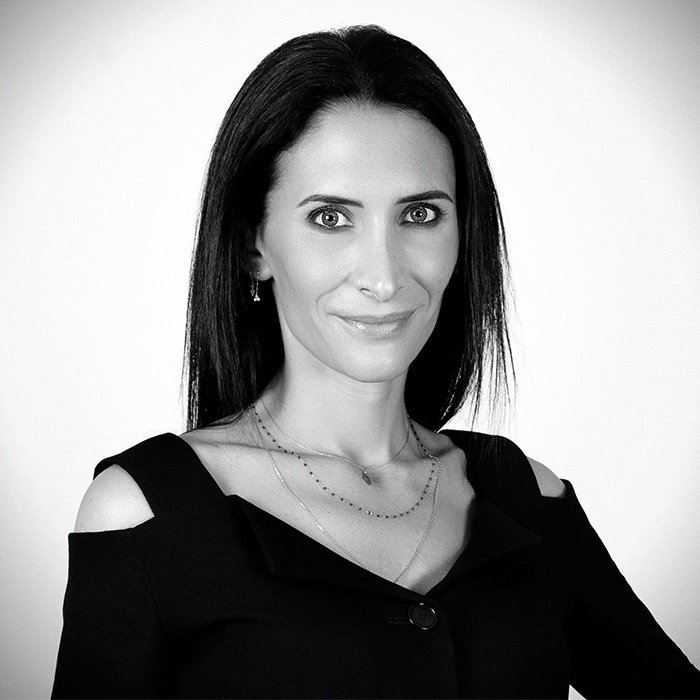
With over 20 years of experience in the luxury and financial services sectors, Anne-Laure Colcy is an accomplished executive, currently leading the Global Luxury platform at Capgemini Invent. She brings deep expertise in the intersection of business development, marketing, culture and technology for the luxury industry, with a focus on the emotional connections with craft and heritage that drive customer engagement and brand loyalty.
Anne-Laure’s approach is centered around understanding how technology can enhance the luxury experience while maintaining the emotional essence of the sector, the feeling of affection, which is essential in navigating the evolving needs of today’s high-end consumers. She is passionate about leveraging innovation to meet luxury’s unique challenges in a new era of mutations.
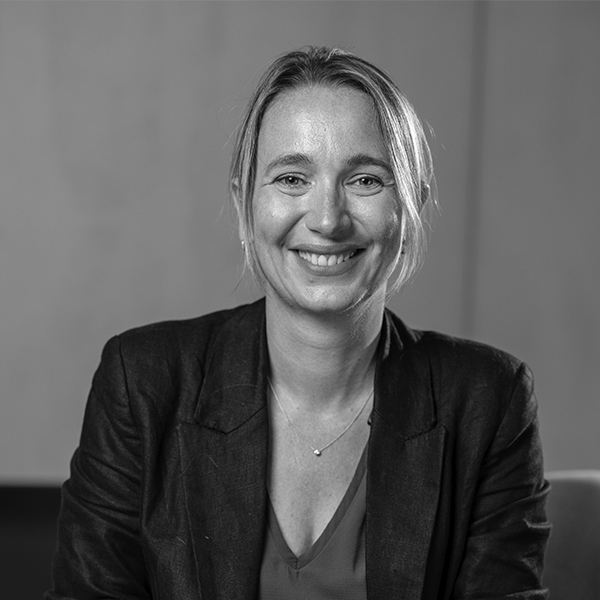
As Head of Customer Strategy & Transformation at frog France, Caroline partners with leading luxury brands to reinvent customer experiences, client relationships and growth models. Over the past 20 years, she has led transformation programs spanning omnichannel commerce, customer care, service innovation and AI-enabled experiences. A graduate of EM Lyon, NEOMA Business School and ITAM Mexico, Caroline is passionate about helping luxury maisons remain distinctive, desirable and relevant in a rapidly evolving world.

Elizabeth tells design stories for frog. She first joined the New York studio in 2011, working on multidisciplinary teams to design award-winning products and services. Today, Elizabeth works out of the London studio on the global frog marketing team, leading editorial content.
She has written and edited hundreds of articles about design and technology, and has given talks on the role of content in a weird, digital world. Her work has been published in The Content Strategist, UNDO-Ordinary magazine and the book Alone Together: Tales of Sisterhood and Solitude in Latin America (Bogotá International Press).
Previously, Elizabeth was Communications Manager for UN OCHA’s Centre for Humanitarian Data in The Hague. She is a graduate of the Master’s Programme for Creative Writing at Birkbeck College, University of London.


We respect your privacy
We use Cookies to improve your experience on our website. They help us to improve site performance, present you relevant advertising and enable you to share content in social media. You may accept all Cookies, or choose to manage them individually. You can change your settings at any time by clicking Cookie Settings available in the footer of every page. For more information related to the Cookies, please visit our Cookie Policy.